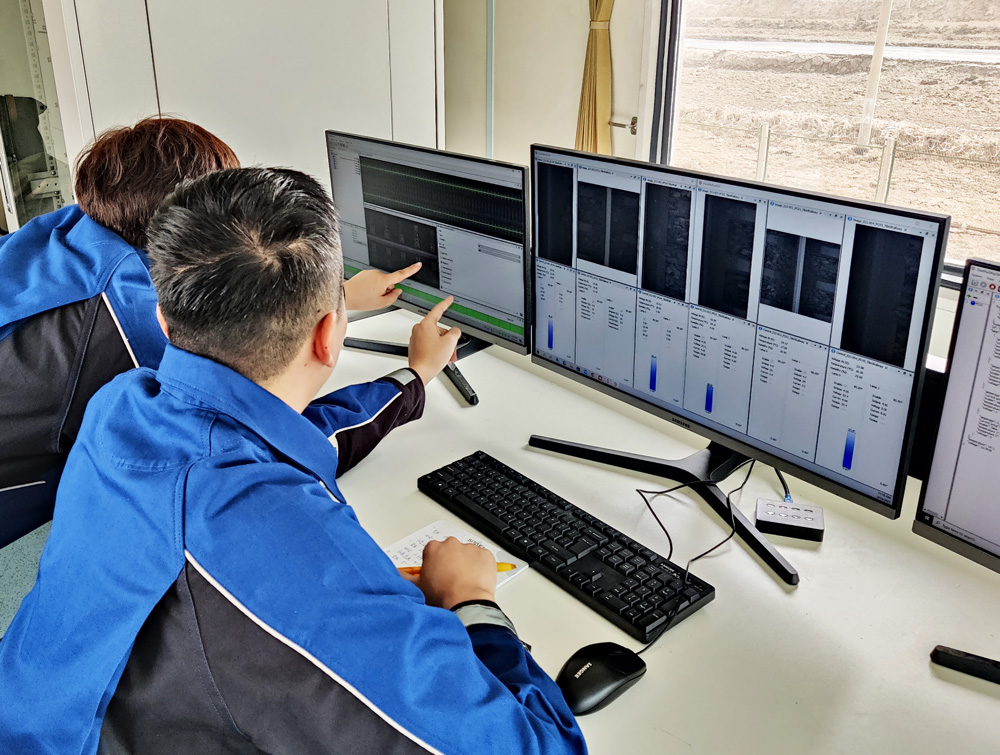
InnoTrans 2026 is underway in Berlin from 22 to 25 September, bringing the international transport-technology sector together for its 15th edition. This year’s event also marks 30 years since InnoTrans first opened its doors.
The scale is hard to miss. Messe Berlin reports 3,170 exhibitors from 59 countries, 42 exhibition halls, 200,000 square metres of exhibition space and 180 world premieres. The outdoor and track area adds another practical dimension: 113 vehicles from 17 countries are on display, including trains and locomotives using alternative propulsion technologies.
For anyone working in railway infrastructure, the important question is not simply what is new. It is how new technology can be used reliably in everyday operations.
AI is moving from promise to practical application

Artificial intelligence is one of the clearest themes at this year’s show. InnoTrans describes a shift from AI as a background analytical tool to AI integrated into concrete applications for operations, maintenance and infrastructure.
The AI Mobility Lab returns for its second edition in Hall 7.1a, bringing together companies working on AI-based mobility, cybersecurity, data protection and robotics. The event’s public-transport program also identifies 47 exhibitors in the AI Mobility Lab, with applications ranging from autonomous inspection and robotic systems to AI-supported assistance and train operation.
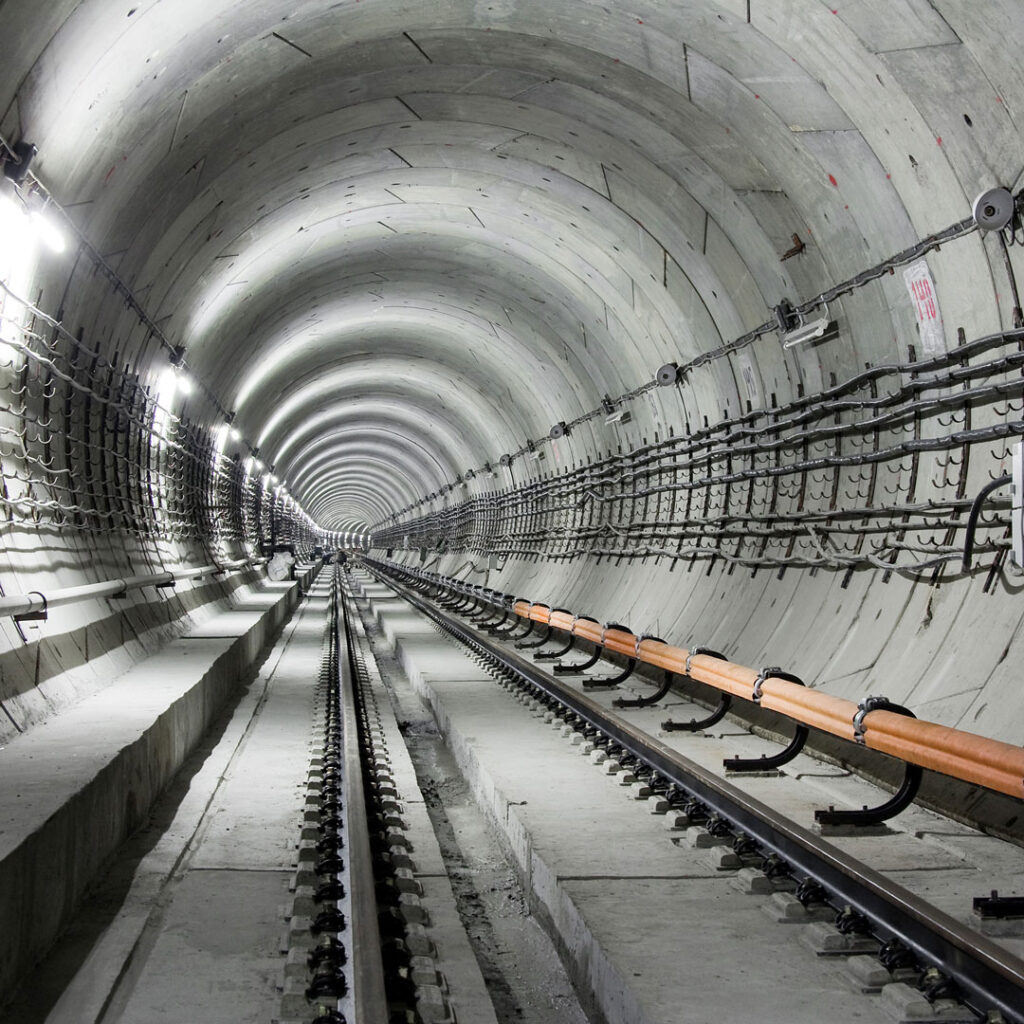
That focus is relevant to railway diagnostics. Inspection systems generate large volumes of visual, geometric and sensor data. The value comes from turning that data into a reliable indication of wear, damage, clearance issues or other anomalies, while keeping the operator in control of the final result.
InnoTrans is also putting these technologies into the wider industry conversation. The program includes AI-focused tours, a dedicated AI Mobility Corner and convention sessions on artificial intelligence, digitalization and cybersecurity. The result is a useful test for the market: which ideas are ready for deployment, and which still need more work before they can support a railway asset in service?
Infrastructure and tunnels are part of the same conversation
Rolling stock often gets the most visible attention at a transport show, but reliable mobility starts with the infrastructure around it. InnoTrans has five main segments: Railway Technology, Railway Infrastructure, Public Transport, Interiors and Tunnel Construction.
The Railway Infrastructure and Tunnel Construction segments together account for nearly 600 exhibitors and more than 32,000 square metres at InnoTrans 2026. The organizers point to digital planning, monitoring systems, new construction methods and sustainable infrastructure management as major areas of activity. A dedicated tunnel forum is also addressing digitalization and AI in tunnel construction and operation.
This is where measurement, inspection and maintenance become inseparable from the broader mobility conversation. A railway can only deliver the performance promised by its vehicles and control systems when the track, tunnels, overhead lines and surrounding environment are monitored with enough accuracy to support good decisions.
Why InnoTrans matters to ADTS

ADTS has been working in this part of the railway technology chain since 2013. The Italian company develops, produces and integrates non-contact diagnostic systems for railway infrastructure, with a focus on rails, tunnels and overhead lines.
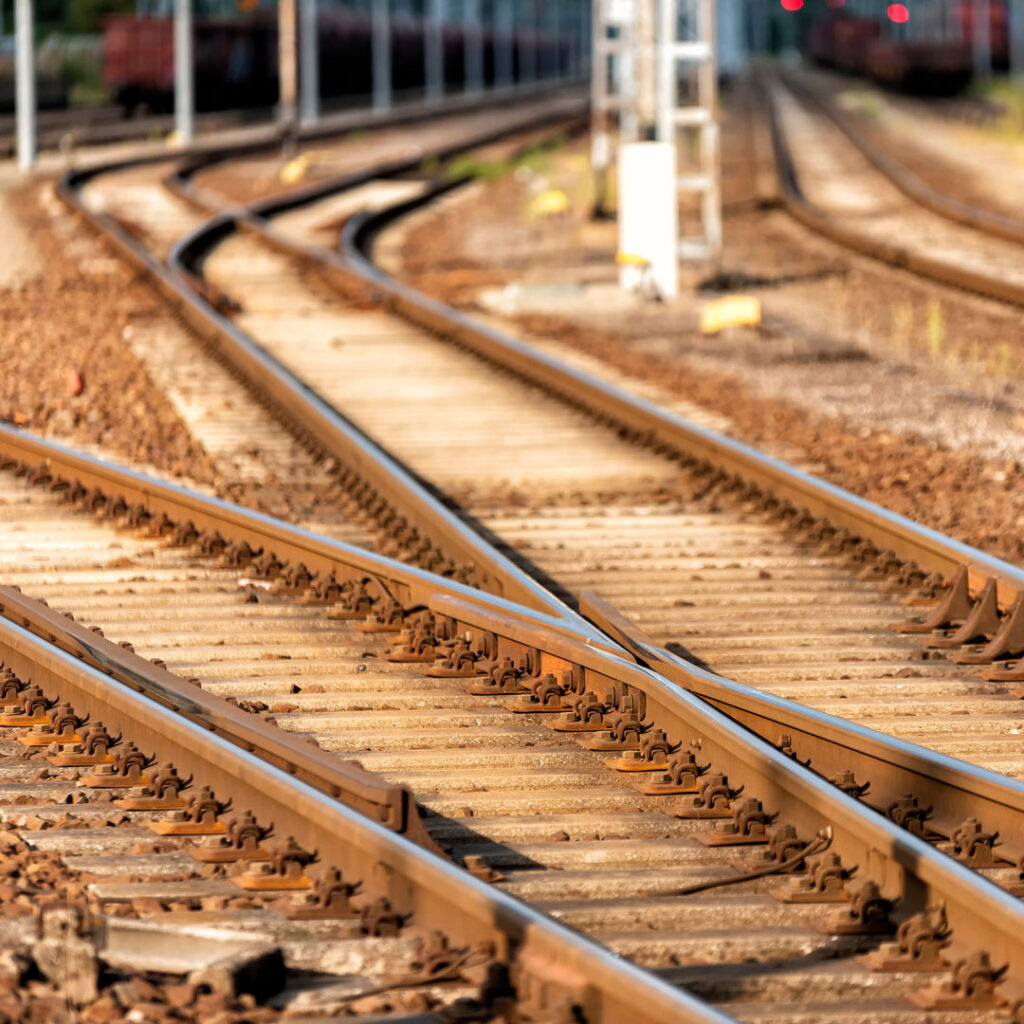
Its inspection portfolio includes Railway Scan systems for rail-profile and surface analysis, Tunnel Scan systems for imaging, 3D profiling and clearance assessment, Overhead Line Monitoring for catenary position and pole alignment, and Environment Monitoring for visual and thermal inspection.
The company’s approach also reflects a point that is easy to lose in conversations about AI: software and data quality matter as much as the sensor itself. ADTS develops its acquisition and analysis platforms in-house. Gilgamesh manages synchronized data collection from cameras, lasers, encoders and auxiliary sensors, while AHMES processes the resulting datasets for geometric, visual and diagnostic analysis. AI modules can then support automatic defect detection, classification and prioritization, with operators able to review and validate the results.
ADTS also combines optical, laser, thermal, ultrasonic, eddy-current and inertial technologies through synchronized systems and analytical models. That kind of integration is increasingly important as infrastructure managers look for a clearer view of asset condition, fewer manual steps and maintenance decisions supported by traceable data.
From world premieres to working systems
InnoTrans 2026 is showing the full range of railway innovation, from hydrogen and battery vehicles to robotics, connected mobility and AI-supported maintenance. The most useful ideas will be the ones that can move beyond the exhibition floor and operate consistently in demanding real-world conditions.
For the inspection and diagnostics sector, that means building systems that collect dependable data, identify the issues that matter and present the results in a form that engineers and maintenance teams can use. It also means designing technology that fits existing vehicles, workflows and infrastructure rather than treating every project as a blank sheet.
That is the perspective ADTS brings to the InnoTrans conversation. The future of mobility is not only about the trains that run on the network. It is also about how accurately the network is measured, how early problems are detected and how confidently maintenance teams can act on the information they receive.
For more information about ADTS railway inspection and diagnostic systems, visit adts.it.